Imagine turning every website visitor into a potential customer with precision and ease. A Lead Generation CRM isn’t just a tool—it’s your ultimate sales engine, designed to capture, nurture, and convert leads like a pro.
What Is a Lead Generation CRM?

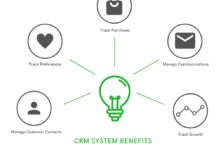
A Lead Generation CRM is more than just a contact database. It’s a dynamic system that combines customer relationship management with tools specifically designed to attract, capture, and convert potential customers. Unlike traditional CRMs that focus on managing existing clients, a Lead Generation CRM emphasizes the front end of the sales funnel—finding and engaging prospects before they even know they need your product.
Core Components of a Lead Generation CRM
The strength of a Lead Generation CRM lies in its integrated features. These tools work together to automate and streamline the lead acquisition process.
Lead Capture Forms: Embedded on websites, landing pages, or social media, these forms collect visitor information in exchange for value (e.g., eBooks, webinars).Automated Workflows: Triggered actions like follow-up emails, SMS, or task assignments based on user behavior.Lead Scoring: Assigns points to leads based on engagement, demographics, and behavior to prioritize sales efforts.Integration Capabilities: Syncs with marketing tools (e.g., Mailchimp), analytics platforms (e.g., Google Analytics), and ad platforms (e.g., Facebook Ads).How It Differs from Traditional CRM
While a traditional CRM manages post-sale relationships, a Lead Generation CRM focuses on pre-sale engagement.
.According to Salesforce, 65% of sales teams using CRM report improved lead conversion rates.The key difference?Proactivity.A Lead Generation CRM doesn’t wait for leads—it hunts them..
“A CRM that only manages existing customers is like a car with no engine. A Lead Generation CRM powers the entire journey from stranger to buyer.”
Why Your Business Needs a Lead Generation CRM
Without a structured system, leads slip through the cracks. A Lead Generation CRM transforms chaotic outreach into a predictable, scalable process. Whether you’re a startup or an enterprise, the right CRM can be the difference between stagnant growth and explosive expansion.
Boosts Sales Efficiency
Sales teams waste up to 33% of their time on unqualified leads (source: Nucleus Research). A Lead Generation CRM eliminates this inefficiency by automating lead qualification and routing only the best prospects to your sales reps. This means faster follow-ups, shorter sales cycles, and higher close rates.
Improves Lead Quality and Conversion
By using behavioral tracking and lead scoring, a Lead Generation CRM ensures that only high-intent prospects reach your sales team. For example, a user who downloads a pricing guide and visits your demo page gets a higher score than someone who only signs up for a newsletter. This intelligence leads to more personalized outreach and better conversion outcomes.
Enhances Marketing and Sales Alignment
One of the biggest challenges in business is the gap between marketing and sales. A Lead Generation CRM bridges this divide by providing a shared platform where both teams can track lead progress, set criteria for handoff, and measure performance. This alignment reduces friction and increases accountability across departments.
Top 7 Lead Generation CRM Strategies That Work
Having the right tool isn’t enough—you need the right strategy. These seven proven tactics will maximize your Lead Generation CRM’s potential and deliver consistent results.
1. Optimize Landing Pages for Maximum Conversions
Your landing page is the gateway to your CRM. If it’s not converting, your CRM has nothing to work with. Use A/B testing to refine headlines, CTAs, and form length. According to HubSpot, companies that A/B test their landing pages see up to a 30% increase in conversion rates.
- Keep forms short: Only ask for essential info (name, email, company).
- Use strong, benefit-driven headlines (e.g., “Get Your Free ROI Calculator”)
- Add trust signals: testimonials, security badges, or media logos.
2. Implement Smart Lead Scoring Models
Not all leads are created equal. A smart scoring model assigns values based on explicit (job title, company size) and implicit (page visits, email opens) data. Start with a basic model and refine it over time using conversion data.
- Positive points for high-intent actions (e.g., visiting pricing page: +10 points).
- Negative points for inactivity (e.g., no engagement in 14 days: -5 points).
- Set thresholds: e.g., 50+ points = sales-ready lead.
3. Automate Drip Campaigns with Personalization
Drip campaigns nurture leads over time with automated, relevant content. But generic emails fail. Use your Lead Generation CRM to segment leads and personalize messages based on behavior.
- Send a welcome email immediately after sign-up.
- Follow up with a case study if the lead visited your solutions page.
- Trigger a demo offer after three content downloads.
“Personalized emails deliver 6x higher transaction rates.” – Campaign Monitor
4. Integrate Live Chat with Lead Capture
Live chat isn’t just for support—it’s a powerful lead generation tool. When integrated with your Lead Generation CRM, chat transcripts and visitor data are automatically logged, and chatbots can qualify leads 24/7.
- Use proactive chat invitations on high-intent pages.
- Train chatbots to ask qualifying questions (e.g., “What brings you here today?”)
- Route qualified chats directly to sales reps with context.
5. Leverage Social Media Ads with CRM Tracking
Social platforms like LinkedIn and Facebook are goldmines for B2B and B2C leads. Use UTM parameters and pixel tracking to send ad-driven leads directly into your Lead Generation CRM.
- Create targeted ad campaigns for specific buyer personas.
- Use lead ads to auto-fill forms and reduce friction.
- Track ROI by linking ad spend to closed deals in your CRM.
6. Use Webinars and Events as Lead Magnets
Webinars generate high-quality leads because attendees self-identify as interested. Integrate registration with your Lead Generation CRM to capture data and trigger follow-ups.
- Offer exclusive content (e.g., “Industry Trends 2024”).
- Send reminder emails and post-event recordings automatically.
- Score attendees higher due to demonstrated engagement.
7. Analyze and Optimize with CRM Analytics
The best Lead Generation CRM systems provide deep analytics. Use dashboards to track KPIs like lead-to-customer conversion rate, cost per lead, and sales cycle length.
- Identify bottlenecks: Are leads stalling at a certain stage?
- Measure campaign performance: Which channels deliver the best ROI?
- Forecast revenue based on lead pipeline health.
Best Lead Generation CRM Tools in 2024
Choosing the right platform can make or break your lead strategy. Here are the top 5 Lead Generation CRM solutions that combine power, ease of use, and scalability.
1. HubSpot CRM
HubSpot is a leader in inbound marketing and offers one of the most user-friendly Lead Generation CRM platforms. Its free tier includes contact management, email tracking, and basic automation.
- Pros: Intuitive interface, seamless integration with marketing tools, excellent lead nurturing workflows.
- Cons: Advanced features require paid plans.
- Best for: Small to mid-sized businesses focused on inbound growth.
Learn more at HubSpot CRM.
2. Salesforce Sales Cloud
Salesforce is the enterprise-grade giant. It offers unparalleled customization and scalability for complex sales processes.
- Pros: Powerful automation, AI-driven insights (Einstein Analytics), robust API ecosystem.
- Cons: Steeper learning curve, higher cost.
- Best for: Large organizations with dedicated IT and sales ops teams.
Explore at Salesforce Sales Cloud.
3. Zoho CRM
Zoho CRM strikes a balance between affordability and functionality. It’s ideal for growing businesses that need advanced features without a hefty price tag.
- Pros: Strong automation, AI assistant (Zia), integrates with Zoho’s entire suite.
- Cons: Interface can feel cluttered.
- Best for: SMBs looking for an all-in-one ecosystem.
Visit Zoho CRM for details.
4. ActiveCampaign
ActiveCampaign excels in marketing automation and lead nurturing. Its CRM is built for businesses that prioritize personalized customer journeys.
- Pros: Advanced email automation, behavioral tracking, site messaging.
- Cons: Limited sales pipeline features compared to Salesforce.
- Best for: Marketing-driven companies with complex nurture sequences.
Check it out at ActiveCampaign.
5. Pipedrive
Pipedrive is built for sales-first organizations. Its visual pipeline makes it easy to track leads from first contact to close.
- Pros: Simple, intuitive pipeline management, strong mobile app, great for sales teams.
- Cons: Less robust marketing automation.
- Best for: Sales teams that want a clear, visual workflow.
Learn more at Pipedrive.
How to Choose the Right Lead Generation CRM for Your Business
With so many options, selecting the right Lead Generation CRM can be overwhelming. Focus on these key criteria to make an informed decision.
Assess Your Business Size and Needs
A startup doesn’t need the same complexity as a multinational. Start by mapping your sales process and identifying pain points. Do you need better lead capture? Stronger automation? Or deeper analytics?
- Small businesses: Look for ease of use and affordability (e.g., HubSpot, Zoho).
- Mid-sized companies: Prioritize scalability and integration (e.g., ActiveCampaign, Pipedrive).
- Enterprises: Require customization, security, and AI capabilities (e.g., Salesforce).
Evaluate Integration Capabilities
Your CRM should connect seamlessly with your existing tech stack—website, email, ads, and analytics. Check for native integrations or API access. For example, if you use WordPress, ensure the CRM has a plugin. If you run Google Ads, verify UTM tracking support.
- Marketing tools: Mailchimp, Constant Contact.
- Ad platforms: Facebook Ads, Google Ads.
- Website builders: WordPress, Wix, Shopify.
Consider User Experience and Training
Even the most powerful CRM fails if your team won’t use it. Prioritize platforms with intuitive interfaces and strong onboarding resources. Look for free trials, demo videos, and customer support options.
- Is there a mobile app?
- Does it offer role-based access?
- Are there training webinars or knowledge bases?
Common Mistakes to Avoid with Lead Generation CRM
Even with the best tools, poor implementation can derail your efforts. Avoid these common pitfalls to get the most from your Lead Generation CRM.
1. Poor Data Management
Garbage in, garbage out. If your CRM is filled with outdated or incorrect data, your outreach will fail. Regularly clean your database and enforce data entry standards.
- Duplicate entries waste time and confuse automation.
- Incomplete profiles reduce personalization effectiveness.
- Use validation rules to ensure email and phone number accuracy.
2. Over-Automating the Human Touch
Automation is powerful, but overuse can make your brand feel robotic. Balance automated emails with personalized follow-ups. For high-value leads, a direct call or custom video message can make all the difference.
- Don’t send 10 emails in 3 days without human intervention.
- Use automation to free up time, not replace relationship-building.
- Monitor engagement and step in manually when needed.
3. Ignoring Lead Nurturing
Most leads aren’t ready to buy immediately. Studies show it takes an average of 5 to 12 touchpoints to convert a lead. A Lead Generation CRM must support long-term nurturing, not just immediate follow-up.
- Create content for each stage of the buyer’s journey.
- Use segmentation to deliver relevant messages.
- Track engagement to know when a lead is warming up.
Future Trends in Lead Generation CRM
The world of CRM is evolving fast. Staying ahead of trends ensures your business remains competitive and your lead generation stays effective.
AI-Powered Predictive Lead Scoring
AI is transforming lead scoring from rule-based to predictive. Instead of manually setting points, AI analyzes historical data to predict which leads are most likely to convert. Salesforce’s Einstein and HubSpot’s Predictive Lead Scoring are leading this shift.
- Reduces guesswork in sales prioritization.
- Learns from every interaction to improve accuracy.
- Identifies hidden patterns in lead behavior.
Conversational CRM and Chatbots
Chatbots are no longer just for FAQs. Modern conversational CRM platforms use AI to qualify leads, book meetings, and even close simple deals—all without human input.
- Available 24/7 to capture leads outside business hours.
- Integrates with CRM to log interactions and update lead status.
- Uses natural language processing to understand complex queries.
Hyper-Personalization with Behavioral Data
The future of lead generation is hyper-relevance. CRMs will use real-time behavioral data—like page scrolls, time on site, and video views—to deliver personalized content and offers instantly.
- Dynamic email content based on browsing history.
- Personalized landing pages for returning visitors.
- AI-generated product recommendations in emails.
Integrating Lead Generation CRM with Marketing Automation
A Lead Generation CRM is most powerful when paired with marketing automation. This synergy ensures that every lead is nurtured consistently and efficiently across channels.
Email Marketing Integration
Email remains one of the highest ROI channels. Connect your CRM to platforms like Mailchimp or Klaviyo to automate campaigns based on lead behavior.
- Trigger a welcome series when someone downloads a guide.
- Send re-engagement emails to inactive leads.
- Sync email opens and clicks back to the CRM for scoring.
Social Media and Ad Campaign Sync
Track leads from social media ads directly into your CRM. Use Facebook Lead Ads or LinkedIn Lead Gen Forms to auto-populate contact records.
- Tag leads by campaign source for better attribution.
- Use custom fields to capture ad-specific data (e.g., ad headline, audience segment).
- Measure cost per lead and ROI by channel.
Website Behavior Tracking
Integrate tools like Hotjar or Google Analytics with your CRM to understand how leads interact with your site.
- See which pages high-converting leads visit most.
- Trigger pop-ups or chat based on behavior (e.g., exit intent).
- Use heatmaps to optimize page layout for conversions.
What is a Lead Generation CRM?
A Lead Generation CRM is a specialized customer relationship management system designed to capture, score, nurture, and convert potential customers. It combines traditional CRM features with marketing automation and lead management tools to optimize the early stages of the sales funnel.
How does a Lead Generation CRM improve sales?
It improves sales by automating lead capture, prioritizing high-quality prospects through lead scoring, enabling personalized follow-ups, and providing analytics to optimize performance. This results in faster response times, higher conversion rates, and better alignment between marketing and sales teams.
Can small businesses benefit from a Lead Generation CRM?
Absolutely. Many Lead Generation CRM platforms offer affordable or even free plans tailored for small businesses. Tools like HubSpot CRM and Zoho CRM provide essential features without requiring a large budget, helping small teams compete with bigger players.
What are the key features to look for in a Lead Generation CRM?
Key features include lead capture forms, automated workflows, lead scoring, email marketing integration, analytics and reporting, mobile access, and third-party integrations. Ease of use and scalability are also critical factors.
How do I measure the success of my Lead Generation CRM?
Track metrics like lead conversion rate, cost per lead, sales cycle length, customer acquisition cost (CAC), and return on ad spend (ROAS). Use CRM dashboards to monitor these KPIs and adjust strategies accordingly.
Implementing a Lead Generation CRM is not just a tech upgrade—it’s a strategic transformation. From capturing the first click to closing the final deal, the right CRM empowers your team to work smarter, faster, and with greater precision. By leveraging automation, data, and personalization, you turn random inquiries into a predictable revenue stream. The future of sales isn’t about chasing leads—it’s about attracting them with intelligence. Start building your Lead Generation CRM strategy today, and watch your growth accelerate.
Further Reading:
