In today’s fast-paced digital world, Marketing Automation CRM is no longer a luxury—it’s a necessity. By seamlessly integrating customer relationship management with automated marketing workflows, businesses gain unmatched efficiency, precision, and scalability.
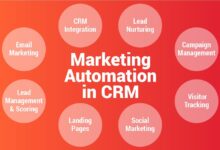
What Is Marketing Automation CRM?

Marketing Automation CRM refers to the integration of customer relationship management (CRM) systems with marketing automation tools. This powerful combination enables businesses to manage customer interactions, track sales pipelines, and automate marketing campaigns—all from a unified platform. According to Salesforce, companies using integrated CRM and marketing automation see up to 36% higher win rates on sales opportunities.
Core Components of Marketing Automation CRM
The foundation of any effective Marketing Automation CRM system lies in its core components. These elements work together to streamline operations, enhance customer engagement, and boost conversion rates.
- Lead Management: Automatically capture, score, and nurture leads based on behavior and engagement.
- Customer Data Integration: Centralize contact information, purchase history, and communication logs for a 360-degree customer view.
- Automated Campaigns: Trigger personalized emails, SMS, or social media messages based on user actions or timelines.
How Marketing Automation CRM Differs from Traditional CRM
While traditional CRM systems focus primarily on managing customer data and tracking sales activities, Marketing Automation CRM goes a step further by enabling proactive engagement. It doesn’t just record interactions—it predicts them.
“Marketing Automation CRM transforms passive databases into dynamic engagement engines.” — HubSpot Research, 2023
For example, while a standard CRM might log that a customer opened an email, a Marketing Automation CRM can automatically send a follow-up offer if the user clicks through to your pricing page.
7 Key Benefits of Marketing Automation CRM
Implementing a Marketing Automation CRM system offers transformative advantages across departments. From sales to customer service, the ripple effects are profound. Let’s explore the seven most impactful benefits.
1. Enhanced Lead Nurturing and Conversion
One of the standout advantages of Marketing Automation CRM is its ability to nurture leads with minimal manual intervention. By setting up drip campaigns based on user behavior, businesses can guide prospects through the sales funnel with precision.
- Automated email sequences respond to user actions (e.g., downloading a whitepaper).
- Lead scoring models prioritize high-intent prospects for sales teams.
- Behavioral triggers ensure timely follow-ups, reducing response lag.
According to a study by MarketingProfs, companies using lead nurturing automation experience a 45% increase in qualified leads.
2. Improved Customer Segmentation and Personalization
Marketing Automation CRM allows businesses to segment audiences based on demographics, behavior, and engagement levels. This enables hyper-personalized messaging that resonates with individual customers.
- Dynamic content adjusts email copy based on user preferences.
- Geolocation data triggers region-specific offers.
- Purchase history informs product recommendations.
Personalization isn’t just nice to have—it’s expected. A McKinsey report found that 71% of consumers expect personalized interactions, and 76% get frustrated when they don’t receive them.
3. Increased Operational Efficiency
By automating repetitive tasks like data entry, email follow-ups, and appointment scheduling, Marketing Automation CRM frees up valuable time for marketing and sales teams.
- Auto-syncing between email platforms and CRM reduces manual logging.
- Task automation ensures no lead falls through the cracks.
- Workflow templates standardize processes across teams.
This efficiency gain translates directly into cost savings. Businesses report up to a 14% reduction in marketing overhead after implementing integrated systems.
4. Real-Time Analytics and Performance Tracking
Marketing Automation CRM platforms provide real-time dashboards that track campaign performance, lead conversion rates, and customer engagement metrics.
- Monitor open rates, click-through rates, and conversion funnels in real time.
- Identify underperforming campaigns and optimize on the fly.
- Generate custom reports for stakeholders without manual data pulls.
These insights empower data-driven decision-making. For instance, if a segment shows low engagement, marketers can quickly adjust messaging or targeting criteria.
5. Seamless Sales and Marketing Alignment
One of the biggest challenges in business is the disconnect between sales and marketing. Marketing Automation CRM bridges this gap by providing a shared platform where both teams can collaborate.
- Sales teams receive pre-qualified leads with full engagement history.
- Marketing gains visibility into which campaigns generate actual revenue.
- Shared KPIs foster accountability and alignment.
A HubSpot report revealed that companies with strong sales and marketing alignment achieve 36% higher customer retention and 38% higher sales win rates.
6. Scalable Customer Engagement
As businesses grow, manually managing customer relationships becomes unsustainable. Marketing Automation CRM enables scalable engagement without sacrificing personalization.
- Automated onboarding sequences welcome new customers.
- Re-engagement campaigns target inactive users.
- Multi-channel automation (email, SMS, social) ensures consistent outreach.
This scalability is crucial for startups aiming for rapid growth and enterprises managing millions of customers.
7. Higher ROI on Marketing Spend
With precise targeting, reduced waste, and improved conversion rates, Marketing Automation CRM delivers a significantly higher return on investment.
- Eliminate spending on unengaged audiences.
- Optimize ad spend using CRM-derived audience insights.
- Measure full-funnel impact from first touch to final sale.
According to Nucleus Research, every dollar invested in marketing automation yields an average return of $8.76—making it one of the most cost-effective tools available.
Top Marketing Automation CRM Platforms in 2024
Choosing the right platform is critical to unlocking the full potential of Marketing Automation CRM. Below are the top five platforms dominating the market in 2024, each offering unique strengths.
1. HubSpot Marketing Hub + CRM
HubSpot remains a leader in the Marketing Automation CRM space due to its user-friendly interface and comprehensive feature set.
- Free CRM with robust automation capabilities.
- Drag-and-drop workflow builder for non-technical users.
- Seamless integration with sales, service, and CMS hubs.
HubSpot’s all-in-one approach makes it ideal for small to mid-sized businesses. Learn more at HubSpot’s official site.
2. Salesforce Marketing Cloud
Salesforce offers one of the most powerful enterprise-grade Marketing Automation CRM solutions.
- Advanced AI-driven personalization with Einstein Analytics.
- Multi-channel campaign management (email, mobile, social, web).
- Deep integration with Salesforce Sales Cloud and Service Cloud.
Best suited for large organizations with complex customer journeys. Explore it at Salesforce Marketing Cloud.
3. ActiveCampaign
ActiveCampaign stands out for its advanced automation logic and CRM functionality.
- Conditional branching and split actions for complex workflows.
- Built-in CRM with deal tracking and task management.
- Site tracking and predictive sending features.
Perfect for marketers who want granular control over automation. Visit ActiveCampaign to learn more.
4. Zoho CRM + Zoho Marketing Automation
Zoho offers a cost-effective, highly customizable Marketing Automation CRM suite.
- AI-powered assistant (Zia) for predictive lead scoring.
- Multi-channel automation across email, social, and SMS.
- Extensive app marketplace for third-party integrations.
Ideal for budget-conscious businesses seeking scalability. Check out Zoho’s Marketing Automation page.
5. Marketo Engage (Adobe)
Marketo, now part of Adobe, is a powerhouse for B2B marketing automation.
- Advanced lead management and account-based marketing (ABM) tools.
- Deep analytics and attribution modeling.
- Integration with Adobe Experience Cloud for omnichannel experiences.
Best for enterprise B2B companies with sophisticated marketing needs. Learn more at Adobe Marketo Engage.
How to Implement Marketing Automation CRM Successfully
Implementing a Marketing Automation CRM system isn’t just about installing software—it’s a strategic transformation. A well-planned rollout ensures adoption, minimizes disruption, and maximizes ROI.
Step 1: Define Clear Goals and KPIs
Before selecting a platform, outline what you want to achieve. Common goals include increasing lead conversion by 25%, reducing response time to inquiries, or improving customer retention.
- Set SMART goals (Specific, Measurable, Achievable, Relevant, Time-bound).
- Identify KPIs such as lead-to-customer conversion rate, email open rate, or customer lifetime value (CLV).
- Align goals across marketing, sales, and customer service teams.
Step 2: Audit Your Current Data and Processes
A successful implementation starts with clean, organized data. Conduct a thorough audit of your existing CRM, email lists, and marketing workflows.
- Remove duplicates and outdated contacts.
- Map out current customer journeys and identify automation opportunities.
- Assess integration needs with existing tools (e.g., website, e-commerce, helpdesk).
Step 3: Choose the Right Platform
Select a Marketing Automation CRM that aligns with your business size, industry, and technical capabilities.
- For startups: Consider HubSpot or ActiveCampaign for ease of use.
- For enterprises: Evaluate Salesforce or Marketo for scalability.
- For budget-focused teams: Zoho offers excellent value.
Request demos, trial accounts, and consult user reviews on sites like G2 or Capterra.
Step 4: Integrate and Migrate Data
Ensure smooth data migration from legacy systems to your new Marketing Automation CRM.
- Use APIs or native integrations to connect with your website, e-commerce platform, and social media.
- Test data sync accuracy before going live.
- Set up automatic data enrichment (e.g., adding job titles or company data).
Step 5: Train Your Team
Even the best platform fails without proper training. Invest in onboarding sessions, documentation, and ongoing support.
- Conduct role-specific training (marketers vs. sales reps).
- Create internal knowledge bases or video tutorials.
- Appoint a CRM champion to drive adoption.
Step 6: Launch, Monitor, and Optimize
Start with a pilot campaign before full rollout. Monitor performance, gather feedback, and iterate.
- Use A/B testing to refine email subject lines or CTAs.
- Review automation workflows monthly for relevance.
- Adjust segmentation and triggers based on engagement data.
Common Challenges in Marketing Automation CRM and How to Overcome Them
Despite its benefits, implementing Marketing Automation CRM comes with challenges. Recognizing these early helps avoid costly mistakes.
1. Data Silos and Integration Issues
Many organizations struggle with disconnected systems—email, CRM, e-commerce—leading to fragmented customer views.
Solution: Prioritize platforms with strong API support and pre-built integrations. Use middleware like Zapier or Make (formerly Integromat) to bridge gaps between tools.
2. Over-Automation and Loss of Personal Touch
Excessive automation can make communications feel robotic and impersonal.
Solution: Balance automation with human interaction. Use automation for routine tasks but reserve high-value interactions (e.g., closing deals) for personal outreach. Incorporate dynamic content and personalization tokens to maintain relevance.
3. Poor Data Quality
Inaccurate or outdated data undermines automation effectiveness. Sending emails to invalid addresses damages sender reputation.
Solution: Implement data validation rules at point of entry. Use tools like Clearbit or Hunter for email verification. Schedule regular data cleansing audits.
4. Lack of Team Adoption
Employees may resist new systems due to complexity or fear of change.
Solution: Involve teams early in the selection process. Provide hands-on training and highlight time-saving benefits. Celebrate early wins to build momentum.
5. Misaligned Sales and Marketing Goals
If sales and marketing teams have different KPIs, automation efforts may not translate into revenue.
Solution: Establish shared goals and SLAs (Service Level Agreements). For example, marketing agrees to deliver 100 MQLs/month, and sales commits to contacting each within 24 hours.
Future Trends in Marketing Automation CRM
The Marketing Automation CRM landscape is evolving rapidly, driven by AI, data privacy regulations, and changing consumer expectations. Staying ahead of these trends ensures long-term competitiveness.
1. AI-Powered Predictive Analytics
Artificial intelligence is transforming Marketing Automation CRM by predicting customer behavior before it happens.
- Predictive lead scoring identifies high-conversion prospects.
- AI-driven content recommendations personalize user experiences.
- Chatbots powered by CRM data provide instant, context-aware support.
Salesforce Einstein and HubSpot AI are already leading in this space.
2. Hyper-Personalization at Scale
Customers expect experiences tailored to their preferences, not just their names. The future of Marketing Automation CRM lies in real-time, behavior-driven personalization.
- Dynamic website content changes based on visitor profile.
- Product recommendations update in real time.
- Automated offers adjust based on browsing history and intent signals.
Brands like Amazon and Netflix set the benchmark, and B2B companies are catching up.
3. Privacy-First Automation
With GDPR, CCPA, and other regulations, businesses must balance personalization with privacy.
- Zero-party data collection (where users willingly share preferences) is rising.
- Consent management platforms (CMPs) integrate with CRM to ensure compliance.
- Anonymous tracking options allow personalization without storing PII.
Platforms like Segment and OneTrust are helping brands navigate this shift.
4. Omnichannel Orchestration
The future isn’t just email automation—it’s coordinated messaging across email, SMS, social, chat, and voice.
- Unified customer journey mapping across channels.
- Channel preference detection ensures messages arrive where users want them.
- AI optimizes send times and content per channel.
Tools like Braze and Customer.io are pioneering omnichannel automation.
5. Integration with Customer Data Platforms (CDPs)
CDPs unify data from multiple sources into a single customer profile, feeding richer insights into Marketing Automation CRM systems.
- Real-time data synchronization between CDP and CRM.
- Advanced segmentation based on unified behavioral data.
- Improved attribution modeling across touchpoints.
As Gartner predicts, by 2025, 60% of large enterprises will use CDPs to enhance their marketing automation efforts.
Measuring the Success of Your Marketing Automation CRM
Implementing Marketing Automation CRM is only half the battle. Measuring its impact ensures continuous improvement and justifies investment.
Key Performance Indicators (KPIs) to Track
Monitoring the right metrics provides insight into system effectiveness and areas for optimization.
- Lead Conversion Rate: Percentage of leads that become customers.
- Customer Acquisition Cost (CAC): Total marketing spend divided by new customers acquired.
- Email Engagement: Open rates, click-through rates, and unsubscribe rates.
- Sales Cycle Length: Average time from lead capture to close.
- Customer Lifetime Value (CLV): Total revenue expected from a customer over time.
Using Dashboards and Reporting Tools
Most Marketing Automation CRM platforms offer built-in dashboards for real-time monitoring.
- Customize dashboards to display KPIs relevant to your team.
- Schedule automated reports for weekly or monthly reviews.
- Export data for deeper analysis in tools like Google Data Studio or Tableau.
Conducting Regular Audits
Periodic audits ensure your automation workflows remain effective and aligned with business goals.
- Review underperforming campaigns and revise messaging.
- Update lead scoring models based on new data.
- Remove outdated automations that no longer serve a purpose.
A quarterly audit cycle is recommended for optimal performance.
Best Practices for Maximizing Marketing Automation CRM ROI
To get the most out of your Marketing Automation CRM investment, follow these proven best practices.
1. Start Small and Scale Gradually
Begin with one or two high-impact workflows (e.g., welcome series, lead nurturing) before expanding.
- Test and refine before rolling out enterprise-wide.
- Use feedback loops to improve automation logic.
- Avoid overcomplicating workflows early on.
2. Focus on Customer Journey Mapping
Design automations around the customer’s experience, not internal processes.
- Map touchpoints from awareness to advocacy.
- Identify pain points where automation can add value.
- Ensure smooth handoffs between marketing and sales.
3. Maintain Data Hygiene
Clean data is the backbone of effective automation.
- Implement double opt-in for email lists.
- Regularly purge inactive subscribers.
- Use data enrichment tools to keep profiles updated.
4. Personalize Beyond the First Name
True personalization goes beyond inserting a name. Use behavioral and contextual data.
- Send content based on past purchases or downloads.
- Adjust messaging based on industry or job role.
- Use geolocation for localized offers.
5. Continuously Test and Optimize
Marketing Automation CRM is not a set-it-and-forget-it solution.
- Run A/B tests on subject lines, CTAs, and send times.
- Monitor engagement trends and adapt accordingly.
- Leverage AI-powered optimization tools when available.
What is Marketing Automation CRM?
Marketing Automation CRM is a technology that combines customer relationship management (CRM) with automated marketing tools to streamline lead management, personalize customer interactions, and improve sales and marketing alignment.
How does Marketing Automation CRM improve lead conversion?
It improves lead conversion by automatically nurturing prospects with targeted content, scoring leads based on engagement, and delivering qualified leads to sales teams with full interaction history.
Which Marketing Automation CRM platform is best for small businesses?
HubSpot and ActiveCampaign are widely regarded as the best options for small businesses due to their ease of use, affordability, and robust automation features.
Can Marketing Automation CRM work without a website?
While it’s possible to use basic CRM functions offline, full Marketing Automation CRM capabilities—such as tracking user behavior, landing pages, and email campaigns—require integration with a website or digital platform.
Is Marketing Automation CRM suitable for B2B companies?
Absolutely. In fact, B2B companies benefit greatly from Marketing Automation CRM due to longer sales cycles, complex decision-making units, and the need for account-based marketing (ABM) strategies.
Marketing Automation CRM is a game-changer for modern businesses. From enhancing lead nurturing to enabling data-driven decisions, its benefits are vast and measurable. By choosing the right platform, implementing it strategically, and continuously optimizing performance, companies can achieve unprecedented growth and customer satisfaction. The future of marketing lies in intelligent automation—and Marketing Automation CRM is leading the charge.
Further Reading:
