Imagine closing deals faster, managing customer relationships on the go, and syncing your entire sales pipeline from your smartphone. That’s the power of a Mobile CRM App—your business in the palm of your hand.

What Is a Mobile CRM App?

A Mobile CRM App is a cloud-based customer relationship management tool designed specifically for smartphones and tablets. It allows sales, marketing, and customer service teams to access critical customer data, update records, and manage interactions anytime, anywhere. Unlike traditional desktop CRM systems, mobile versions prioritize speed, usability, and real-time connectivity.
Core Definition and Functionality
At its heart, a Mobile CRM App serves as an extension of your central CRM platform. It syncs seamlessly with desktop versions like Salesforce, HubSpot, or Zoho CRM, ensuring that every note, call log, or deal update made on a mobile device reflects instantly across all devices. This real-time synchronization eliminates data silos and ensures team alignment.
- Access to contact profiles, interaction history, and deal stages
- Offline mode capabilities for data entry without internet
- Push notifications for task reminders and follow-ups
According to Salesforce’s State of Sales Report, 74% of high-performing sales teams use mobile CRM tools daily, highlighting their strategic importance.
Evolution from Desktop to Mobile
CRM systems began as desktop-bound databases in the 1990s, primarily used for storing customer information. As smartphones became ubiquitous, the demand for mobility grew. By 2015, major CRM providers began optimizing their platforms for mobile use. Today, mobile-first design principles dominate CRM development, with intuitive interfaces, voice input, and AI-powered suggestions becoming standard features.
“The shift from desktop to mobile CRM isn’t just about convenience—it’s about responsiveness. Customers expect immediate engagement, and mobile CRM empowers teams to deliver it.” — Gartner Research
Why Mobile CRM Apps Are Essential for Modern Sales Teams
In today’s fast-paced business environment, waiting until you’re back at your desk to update a lead or send a follow-up email can mean losing a deal. A Mobile CRM App bridges that gap by enabling instant action, regardless of location. Whether you’re in a client meeting, traveling, or working remotely, your CRM is always within reach.
Real-Time Data Access and Updates
One of the most transformative aspects of a Mobile CRM App is real-time data access. Sales reps can pull up a customer’s purchase history, past communications, and current deal stage during a face-to-face meeting. This level of preparedness builds trust and professionalism.
- Instant search functionality for contacts and accounts
- Live updates on deal progress and pipeline changes
- Integration with calendar and email for contextual insights
For example, a rep using the Zoho CRM mobile app can scan a business card, automatically create a contact, and assign a follow-up task—all within seconds.
Improved Response Time to Leads
Speed matters. Research from HubSpot shows that the odds of qualifying a lead drop by 400% if the first response takes more than 10 minutes. A Mobile CRM App enables immediate follow-up through pre-built email templates, one-tap calling, and automated workflows.
- Push alerts for new leads from web forms or chatbots
- One-click dialing and email directly from the app
- Automated lead assignment based on territory or availability
This responsiveness not only increases conversion rates but also enhances the customer experience from the very first touchpoint.
Top Features of a High-Performing Mobile CRM App
Not all Mobile CRM Apps are created equal. The best ones combine functionality, ease of use, and integration capabilities to deliver maximum value. Let’s explore the key features that set top-tier apps apart.
Offline Mode and Data Syncing
One of the biggest concerns for mobile users is connectivity. A robust Mobile CRM App allows users to view, edit, and create records even when offline. Once the device reconnects to the internet, all changes are automatically synced with the central database.
- Local storage of recent contacts and deals
- Background syncing to prevent data loss
- Conflict resolution for simultaneous edits
This feature is especially valuable for field sales teams visiting remote locations or clients in areas with poor network coverage.
Task and Calendar Integration
Time management is crucial for sales productivity. A Mobile CRM App that integrates with native calendar apps (like Google Calendar or Outlook) ensures that meetings, calls, and follow-ups are never missed. Tasks can be created directly from customer records and appear in the user’s daily agenda.
- Two-way sync between CRM tasks and calendar events
- Reminders for overdue activities
- Drag-and-drop rescheduling of appointments
For instance, Salesforce’s mobile app allows users to log a call after a meeting, which automatically updates the activity timeline and adjusts the next follow-up date.
AI-Powered Insights and Predictive Analytics
Modern Mobile CRM Apps are no longer just data repositories—they’re intelligent assistants. AI features like lead scoring, sentiment analysis, and next-best-action recommendations help reps prioritize effectively.
- Smart suggestions for follow-up times based on engagement patterns
- Automated data entry using voice-to-text
- Predictive forecasting of deal closures
Microsoft Dynamics 365’s mobile app, for example, uses AI to highlight high-priority leads and suggest optimal communication channels.
How a Mobile CRM App Transforms Field Sales Operations
Field sales teams operate in dynamic environments where access to real-time information can make or break a deal. A Mobile CRM App acts as a digital assistant, empowering reps with the tools they need to succeed outside the office.
Streamlining On-Site Customer Interactions
When a sales rep visits a client, having instant access to their history, preferences, and past purchases allows for personalized conversations. Instead of relying on memory or printed sheets, the Mobile CRM App provides a complete 360-degree view of the customer.
- Access to service tickets and support history
- View of product usage and renewal dates
- Ability to create quotes and proposals on-site
This level of preparation leads to higher customer satisfaction and faster deal closures.
Automating Data Entry and Reducing Admin Burden
One of the biggest pain points for field reps is manual data entry after meetings. A Mobile CRM App reduces this burden through automation. Voice notes can be converted into text, meeting summaries can be auto-generated, and GPS check-ins can log visit times.
- Voice-to-text for activity logging
- Photo capture of signed contracts or business cards
- Automated time tracking for client visits
According to a Nucleus Research study, companies that implement mobile CRM see a 26.4% reduction in administrative time, freeing up reps to focus on selling.
Integration Capabilities of Mobile CRM Apps
A standalone Mobile CRM App is useful, but its true power emerges when it integrates with other business tools. Seamless integration ensures data flows smoothly across platforms, eliminating duplication and errors.
Syncing with Email and Calendar Platforms
Integration with email clients like Gmail and Outlook allows users to track sent emails, schedule follow-ups, and log interactions without leaving their inbox. Calendar sync ensures that all appointments are visible in both the CRM and the user’s schedule.
- Two-way sync of emails and events
- Automatic logging of sent and received messages
- Meeting invites generated from CRM tasks
HubSpot’s mobile app, for example, syncs with Gmail to show email open rates and click behavior directly in the contact timeline.
Connecting with Marketing Automation Tools
When a Mobile CRM App integrates with marketing platforms like Marketo or Mailchimp, sales teams gain visibility into lead behavior. They can see which content a prospect has engaged with, how often they’ve visited the website, and whether they’ve attended a webinar.
- Lead source tracking from digital campaigns
- Behavioral scoring based on engagement
- Automated nurturing workflows triggered by CRM actions
This alignment between marketing and sales—often called “smarketing”—leads to higher conversion rates and shorter sales cycles.
Security and Data Privacy in Mobile CRM Apps
With sensitive customer data accessible from mobile devices, security becomes a top priority. A Mobile CRM App must incorporate robust measures to protect information from unauthorized access, loss, or breaches.
Authentication and Access Control
Multi-factor authentication (MFA), biometric login (fingerprint or facial recognition), and session timeouts are standard security features in leading Mobile CRM Apps. These prevent unauthorized access if a device is lost or stolen.
- Biometric authentication for quick yet secure login
- Role-based permissions to limit data access
- Remote wipe capabilities for lost devices
Salesforce, for instance, offers device trust management, allowing admins to approve or block specific devices from accessing CRM data.
Data Encryption and Compliance
All data transmitted between the mobile app and the server should be encrypted using protocols like TLS 1.2 or higher. Additionally, stored data on the device should be encrypted at rest.
- End-to-end encryption for data in transit and at rest
- Compliance with GDPR, CCPA, and HIPAA regulations
- Regular security audits and penetration testing
Companies in regulated industries like healthcare or finance must ensure their Mobile CRM App meets compliance standards to avoid legal penalties.
Choosing the Right Mobile CRM App for Your Business
With so many options available, selecting the right Mobile CRM App can be overwhelming. The key is to align the app’s capabilities with your business goals, team size, and industry requirements.
Assessing Your Team’s Needs and Workflow
Start by evaluating how your team currently manages customer relationships. Are they spending too much time on data entry? Do they struggle with follow-ups? Identifying pain points will help you prioritize features.
- Conduct surveys or interviews with sales reps
- Analyze current CRM usage patterns
- Map out common workflows and bottlenecks
For example, a real estate agency might prioritize photo capture and property listing integration, while a B2B SaaS company may need advanced lead scoring and email tracking.
Comparing Top Mobile CRM Solutions
Here’s a quick comparison of leading Mobile CRM Apps:
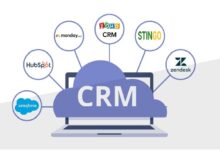
- Salesforce Mobile: Best for large enterprises with complex sales processes. Offers deep customization and AI-powered Einstein Analytics.
- HubSpot CRM: Ideal for small to mid-sized businesses. Free tier available, with intuitive mobile interface and strong marketing integration.
- Zoho CRM: Great for global teams. Supports multiple languages and currencies, with robust offline capabilities.
- Microsoft Dynamics 365: Strong integration with Office 365, making it a natural fit for organizations already using Microsoft products.
- Pipedrive: Focused on sales pipeline visualization. Simple drag-and-drop interface ideal for visual thinkers.
Visit Capterra’s CRM comparison tool to explore user reviews and feature breakdowns.
Future Trends Shaping Mobile CRM App Development
The Mobile CRM App landscape is evolving rapidly, driven by advancements in AI, mobile technology, and user expectations. Staying ahead of these trends ensures your business remains competitive.
AI and Voice-Activated Assistants
Future Mobile CRM Apps will increasingly rely on AI to automate routine tasks. Voice-activated assistants, similar to Siri or Alexa, will allow reps to log calls, create tasks, or pull reports using natural language commands.
- Voice-based data entry and search
- AI-driven coaching during calls
- Automatic sentiment analysis of customer conversations
Companies like Salesforce are already testing Einstein Voice, which lets users ask, “What’s my top deal this week?” and get a spoken response.
Augmented Reality (AR) for Customer Engagement
AR is beginning to make its way into Mobile CRM Apps, especially in industries like real estate, retail, and manufacturing. Reps can use AR to show 3D product models during client meetings or overlay customer data onto physical locations.
- Virtual product demonstrations via smartphone camera
- AR-powered site inspections with annotated notes
- Interactive customer onboarding experiences
While still emerging, AR integration promises to make customer interactions more immersive and informative.
What is a Mobile CRM App?
A Mobile CRM App is a smartphone or tablet application that allows sales, marketing, and service teams to access and manage customer relationship data on the go. It syncs with a central CRM system and provides real-time updates, task management, and communication tools.
How does a Mobile CRM App improve sales productivity?
It improves productivity by enabling instant access to customer data, automating follow-ups, reducing manual data entry, and providing AI-driven insights. Reps can respond faster to leads and manage their pipeline from anywhere.
Is my data safe in a Mobile CRM App?
Yes, reputable Mobile CRM Apps use encryption, multi-factor authentication, and compliance with data protection regulations (like GDPR) to ensure data security. Always choose a provider with strong security certifications and audit trails.
Can I use a Mobile CRM App offline?
Most top-tier Mobile CRM Apps offer offline mode, allowing you to view, edit, and create records without internet. Changes are automatically synced once connectivity is restored.
Which Mobile CRM App is best for small businesses?
HubSpot CRM and Zoho CRM are excellent choices for small businesses due to their user-friendly interfaces, free tiers, and strong mobile functionality. Pipedrive is also popular for its visual sales pipeline.
The Mobile CRM App is no longer a luxury—it’s a necessity for any business that values speed, accuracy, and customer-centricity. From empowering field sales teams to integrating with AI and AR, these apps are redefining how relationships are managed. By choosing the right solution and leveraging its full potential, companies can boost productivity, close more deals, and deliver exceptional customer experiences—all from the palm of their hand.
Further Reading:
