In today’s fast-paced digital world, a SaaS CRM platform isn’t just a luxury—it’s a necessity. Discover how this powerful tool transforms customer relationships, boosts sales, and scales with your business effortlessly.
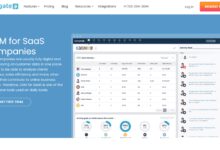
What Is a SaaS CRM Platform?

A SaaS CRM (Software as a Service Customer Relationship Management) platform is a cloud-based solution that helps businesses manage interactions with current and potential customers. Unlike traditional CRM systems that require on-premise installation and maintenance, SaaS CRM platforms are hosted online, accessible from any device with an internet connection. This model offers flexibility, scalability, and lower upfront costs, making it ideal for startups and enterprises alike.
How SaaS CRM Differs from Traditional CRM
Traditional CRM systems often involve significant upfront investment in hardware, software licenses, and IT infrastructure. They require in-house servers, regular maintenance, and dedicated IT staff to manage updates and security. In contrast, a SaaS CRM platform operates on a subscription basis, eliminating the need for physical infrastructure. Providers handle all backend operations, including data storage, security patches, and software updates.
- Traditional CRM: High initial cost, long deployment time, limited scalability
- SaaS CRM: Low entry cost, rapid deployment, automatic updates, scalable on demand
- Accessibility: SaaS CRM can be accessed from anywhere; traditional CRM often restricted to office networks
According to Gartner, the global shift toward cloud-based CRM solutions has accelerated, with SaaS now dominating over 80% of new CRM deployments.
Core Components of a SaaS CRM Platform
A robust SaaS CRM platform typically includes several integrated modules designed to streamline customer-facing operations. These components work together to provide a unified view of the customer journey.
Sales Automation: Tracks leads, manages pipelines, automates follow-ups, and forecasts revenue.Marketing Automation: Enables targeted campaigns, lead scoring, email marketing, and campaign analytics.Customer Service & Support: Offers ticketing systems, knowledge bases, live chat, and service level agreement (SLA) tracking.Analytics & Reporting: Delivers real-time dashboards, performance metrics, and predictive insights.Integration Capabilities: Connects with email, calendars, ERP systems, e-commerce platforms, and third-party apps via APIs.”The cloud has democratized access to enterprise-grade CRM tools.Now even small teams can leverage the same technology once reserved for Fortune 500 companies.” — Salesforce BlogTop 7 Benefits of Using a SaaS CRM PlatformAdopting a SaaS CRM platform delivers transformative advantages across departments..
From improving customer retention to accelerating sales cycles, the benefits are both measurable and strategic.Let’s explore the seven most impactful reasons why businesses are making the switch..
1. Rapid Deployment and Easy Setup
One of the most compelling advantages of a SaaS CRM platform is its speed of implementation. Unlike legacy systems that can take months to deploy, SaaS CRMs can be up and running in days—or even hours. Most platforms offer intuitive onboarding wizards, pre-built templates, and guided setup processes.
- No need for server configuration or software installation
- Self-service portals allow teams to customize fields, workflows, and dashboards
- Many providers offer free trials or freemium models to test functionality
For example, Zoho CRM enables users to import contacts, set up sales pipelines, and launch campaigns within 24 hours of signup.
2. Cost-Effectiveness and Predictable Pricing
SaaS CRM platforms operate on a subscription model, typically charged per user per month. This eliminates large capital expenditures and converts CRM costs into manageable operational expenses.
- No hardware investment required
- Transparent pricing with no hidden fees
- Ability to scale licenses up or down based on team size
According to a Nucleus Research report, companies using SaaS CRM achieve an average ROI of $8.71 for every dollar spent—significantly higher than on-premise alternatives.
3. Automatic Updates and Continuous Innovation
With a SaaS CRM platform, users always have access to the latest features without manual intervention. Vendors regularly roll out updates, security patches, and new functionalities as part of the service.
- No downtime for upgrades—updates happen seamlessly in the background
- Access to AI-driven tools like predictive lead scoring and chatbot integration
- Regular compliance updates (e.g., GDPR, CCPA) handled by the provider
This ensures that businesses remain competitive without investing additional resources in IT maintenance.
4. Scalability for Growing Businesses
Whether you’re a startup with five employees or a multinational corporation, a SaaS CRM platform scales with your needs. You can add users, modules, or storage capacity with just a few clicks.
- Supports seasonal spikes in customer engagement
- Enables global expansion with multi-language and multi-currency support
- Modular design allows businesses to adopt only the features they need
Platforms like Salesforce Sales Cloud offer tiered plans that grow from basic contact management to enterprise-level AI analytics.
5. Enhanced Collaboration Across Teams
A SaaS CRM platform breaks down silos by providing a centralized database accessible to sales, marketing, and customer service teams. Everyone works from the same information, reducing duplication and miscommunication.
- Shared calendars, task lists, and activity logs improve coordination
- Real-time notifications keep teams aligned on customer interactions
- Role-based permissions ensure data security while enabling collaboration
This unified approach leads to faster response times and more personalized customer experiences.
6. Mobile Accessibility and Remote Work Enablement
In an era where remote work is the norm, mobile access to CRM data is essential. Most SaaS CRM platforms offer dedicated mobile apps for iOS and Android, allowing teams to stay productive from anywhere.
- Sales reps can update deals while on the go
- Customer support agents can resolve tickets from home
- Managers can monitor KPIs via mobile dashboards
Mobile CRM usage has increased by 40% since 2020, according to Forrester Research.
7. Data Security and Compliance Assurance
Contrary to common misconceptions, SaaS CRM platforms often provide superior security compared to on-premise systems. Leading providers invest heavily in encryption, threat detection, and compliance certifications.
- End-to-end data encryption (in transit and at rest)
- Regular third-party audits (SOC 2, ISO 27001, HIPAA, etc.)
- Automated backups and disaster recovery protocols
For instance, Microsoft Dynamics 365 integrates with Azure’s enterprise-grade security framework to protect sensitive customer data.
Key Features to Look for in a SaaS CRM Platform
Not all SaaS CRM platforms are created equal. To maximize ROI, it’s crucial to evaluate platforms based on functionality, usability, and long-term value. Here are the must-have features every business should consider.
Customization and Workflow Automation
A good SaaS CRM platform should adapt to your business processes—not the other way around. Look for tools that allow you to customize fields, create custom objects, and automate repetitive tasks.
- Drag-and-drop workflow builders
- Conditional logic for automated actions (e.g., send email when deal stage changes)
- Custom modules for niche industries (e.g., real estate, healthcare)
Automation reduces manual errors and frees up time for high-value activities like client meetings and strategy planning.
AI and Predictive Analytics
Modern SaaS CRM platforms are increasingly powered by artificial intelligence. These tools analyze historical data to predict customer behavior, recommend next steps, and identify at-risk accounts.
- Predictive lead scoring prioritizes high-conversion prospects
- AI-powered chatbots handle routine inquiries 24/7
- Natural language processing (NLP) extracts insights from emails and call transcripts
Salesforce Einstein and HubSpot’s AI tools are prime examples of how machine learning enhances CRM effectiveness.
Third-Party Integrations and API Access
Your CRM doesn’t operate in isolation. It should seamlessly connect with your email, calendar, marketing tools, e-commerce platform, and financial systems.
- Native integrations with Gmail, Outlook, Slack, Zoom, and Shopify
- Open API for building custom connections
- Marketplace of pre-built apps (e.g., Salesforce AppExchange, Zoho Marketplace)
Integration ensures data flows smoothly across systems, eliminating silos and reducing manual data entry.
Top SaaS CRM Platforms in 2024
The market is flooded with SaaS CRM options, each catering to different business sizes and industries. Here’s a breakdown of the leading platforms and what sets them apart.
Salesforce Sales Cloud
Salesforce remains the gold standard in SaaS CRM platforms. It offers unparalleled depth in sales automation, marketing, and service cloud capabilities.
- Best for: Mid-sized to large enterprises
- Strengths: AI-powered insights, extensive app ecosystem, global scalability
- Pricing: Starts at $25/user/month (Essentials), up to $300+/user/month (Unlimited)
Learn more at salesforce.com.
HubSpot CRM
HubSpot is renowned for its user-friendly interface and powerful free tier. It’s ideal for startups and small businesses looking to grow their sales and marketing efforts.
- Best for: SMBs and marketing-focused teams
- Strengths: Free plan with full CRM features, seamless marketing automation, excellent onboarding
- Pricing: Free; paid plans start at $45/month (Starter)
Explore HubSpot at hubspot.com.
Zoho CRM
Zoho CRM offers a balance of affordability and functionality, making it a favorite among small to mid-sized businesses.
- Best for: Cost-conscious businesses with complex workflows
- Strengths: AI assistant (Zia), multi-channel communication, strong customization
- Pricing: Starts at $14/user/month (Standard)
Visit zoho.com/crm for a free trial.
How to Choose the Right SaaS CRM Platform for Your Business
Selecting the right SaaS CRM platform requires careful evaluation of your business goals, team size, budget, and technical requirements. Follow this step-by-step guide to make an informed decision.
Assess Your Business Needs
Start by identifying your primary pain points. Are you struggling with lead tracking? Poor customer follow-up? Inefficient marketing campaigns? Define your key objectives before evaluating platforms.
- Map out your customer journey from lead to sale to support
- Identify which departments will use the CRM (sales, marketing, service)
- Determine must-have features vs. nice-to-have
Evaluate User Experience and Training Requirements
A powerful CRM is useless if your team won’t use it. Prioritize platforms with intuitive interfaces and strong onboarding support.
- Look for platforms with mobile apps and offline access
- Check availability of training resources (videos, webinars, documentation)
- Consider user adoption rates reported by other customers
According to Capterra, ease of use is the top factor influencing CRM satisfaction.
Test with a Free Trial or Demo
Never commit without testing. Most SaaS CRM platforms offer free trials or live demos. Use this time to:
- Import sample data and test workflows
- Simulate real-world scenarios (e.g., logging a call, creating a deal)
- Gather feedback from team members who will use the system
This hands-on experience is invaluable for assessing fit.
Common Challenges and How to Overcome Them
While SaaS CRM platforms offer immense benefits, implementation isn’t always smooth. Awareness of common pitfalls can help you avoid costly mistakes.
Data Migration Issues
Moving data from spreadsheets or legacy systems can be messy. Incomplete or inaccurate data migration leads to poor CRM adoption.
- Solution: Clean your data before migration—remove duplicates, standardize formats
- Use built-in import tools or hire a consultant for complex migrations
- Validate data after import with spot checks
Low User Adoption
Even the best SaaS CRM platform fails if employees don’t use it consistently.
- Solution: Involve users early in the selection process
- Provide ongoing training and incentives for usage
- Assign CRM champions within teams to drive engagement
A McKinsey study found that companies with strong change management see 3x higher CRM adoption rates.
Integration Complexity
Connecting your CRM with other tools can become technically challenging, especially with custom workflows.
- Solution: Prioritize platforms with native integrations for your key tools
- Use middleware like Zapier or Make (formerly Integromat) for non-native connections
- Consult with IT or a systems integrator for complex setups
The Future of SaaS CRM Platforms
The evolution of SaaS CRM platforms is accelerating, driven by AI, automation, and changing customer expectations. Here’s what the future holds.
Hyper-Personalization Through AI
Future SaaS CRM platforms will deliver hyper-personalized experiences by analyzing vast amounts of behavioral data. AI will predict customer needs before they’re expressed, enabling proactive service.
- Dynamic content recommendations in emails and portals
- Real-time sentiment analysis during calls
- Automated next-best-action suggestions for sales reps
Embedded Conversational AI and Voice Assistants
CRM systems will integrate voice and chat interfaces, allowing users to log activities, pull reports, or update deals using natural language commands.
- Voice-to-CRM transcription for sales calls
- AI assistants that schedule follow-ups and draft emails
- Integration with smart speakers and virtual agents
Blockchain for Secure Customer Identity Management
As data privacy concerns grow, blockchain technology may be used to give customers control over their data while ensuring authenticity and traceability within CRM systems.
- Decentralized customer identity verification
- Immutable audit trails for consent and data access
- Secure sharing of customer profiles across partner networks
The SaaS CRM platform of tomorrow won’t just manage relationships—it will anticipate them.
What is a SaaS CRM platform?
A SaaS CRM platform is a cloud-based software solution that helps businesses manage customer interactions, sales pipelines, marketing campaigns, and support services. It is accessed via the internet, requires no local installation, and is maintained by the provider.
How much does a SaaS CRM platform cost?
Costs vary by provider and features. Entry-level plans start as low as $10–$15 per user per month (e.g., Zoho CRM, HubSpot). Enterprise solutions like Salesforce can exceed $300 per user per month. Many offer free tiers with basic functionality.
Is a SaaS CRM platform secure?
Yes, reputable SaaS CRM platforms use advanced security measures including data encryption, multi-factor authentication, regular audits, and compliance with standards like GDPR and SOC 2. They often provide better security than on-premise systems due to dedicated cybersecurity teams.
Can I integrate a SaaS CRM with my existing tools?
Absolutely. Most SaaS CRM platforms offer native integrations with popular tools like Gmail, Outlook, Slack, Shopify, and Zoom. They also provide APIs and support third-party integration platforms like Zapier for custom connections.
Which SaaS CRM platform is best for small businesses?
HubSpot CRM and Zoho CRM are highly recommended for small businesses due to their affordability, ease of use, and robust free plans. They offer essential features like contact management, email tracking, and sales automation without complexity.
Adopting a SaaS CRM platform is one of the most strategic moves a business can make. From slashing operational costs to supercharging customer relationships, the benefits are clear and measurable. As technology evolves, these platforms will become even more intelligent, intuitive, and indispensable. Whether you’re a solopreneur or a global enterprise, there’s a SaaS CRM solution tailored to your needs. The key is to choose wisely, implement thoughtfully, and leverage its full potential to drive sustainable growth.
Further Reading:
